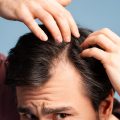
Making Sense of Sudden Shedding and Thinning
Noticing hair on your pillow, in the shower, or coming out when you run your fingers through it can be unsettling. If you have found yourself asking, ‘Why is my hair falling out?’, you are far from alone. Hair shedding is one of the most common reasons people start searching for answers about hair loss, often before they have any clear idea of what is actually happening.
The reassuring news is that hair loss is not always permanent, and in many cases, there is a clear explanation behind it. Understanding what is normal, what is not and when it may be worth seeking advice is the first step towards clarity.
Is Hair Shedding Always a Sign of Hair Loss?
Before assuming the worst, it is important to separate normal hair shedding from true hair loss. Everyone sheds hair every day as part of the natural growth cycle. On average, losing around 50 to 100 hairs daily is considered normal, even if it feels like a lot when you notice it in one place.
Hair shedding often becomes more noticeable due to practical or situational factors rather than a sudden change in hair health. This is particularly true in situations such as:
- Hair being longer and easier to see when it falls
- Washing or brushing releasing hairs already in the resting phase
- Stress or illness temporarily disrupting the hair cycle

Noticing changes in hair thickness or increased shedding can raise questions about overall hair health.
Why Is My Hair Falling Out Suddenly?
One of the most common concerns people raise is sudden hair loss. Many ask why their hair is falling out all of a sudden, especially if everything seemed normal only a few months earlier. In many cases, this type of change is linked to a delayed response within the hair growth cycle rather than an immediate problem.
When the body experiences certain stresses or changes, a larger number of hairs can shift into the resting phase at the same time. Common triggers for this pattern of excessive hair shedding include:
- Physical or emotional stress
- Illness, surgery, or high fever
- Significant weight loss or dietary restriction
- Hormonal changes
- Starting or stopping certain medications
Common Reasons for Hair Falling Out
When people look for the reason that their hair is falling out, they are often hoping for a single, clear answer. In reality, hair loss is usually influenced by a combination of factors rather than just one issue.
Changes in hormones, inherited sensitivity of hair follicles, long-term stress, nutritional imbalances and certain medical conditions can all play a role. Scalp health also matters, as inflammation or ongoing irritation can interfere with normal hair growth.
Hair loss does not look the same for everyone. Some people notice thinning across the entire scalp, while others see changes in specific areas. Recognising these patterns can provide useful clues about what may be contributing to the problem.
Hair Shedding vs Hair Loss: Why the Difference Matters
Although the terms are often used interchangeably, hair shedding and hair loss describe two different processes. Hair shedding usually refers to a temporary increase in hair fall, often triggered by a specific event. Hair loss tends to involve progressive thinning, reduced density, or visible changes over time.
Signs that suggest hair changes may be more than temporary include:
- Thinning that continues for several months
- Increased scalp visibility
- Reduced overall hair volume
- A family history of hair loss

Hair shedding can vary over time and may be influenced by lifestyle, health, or temporary changes.
Why Hair Loss Can Feel More Severe Than It Is
Hair loss often feels more dramatic than it truly is, particularly during periods of stress or heightened awareness. Seeing hair fall out in the shower or on a brush can create the impression that large amounts are being lost at once.
In many cases, these moments simply reveal hairs that were already nearing the end of their cycle. This does not necessarily mean that new hair is not growing in to replace them, but without context, it is easy to assume the worst.
When Should You Be Concerned About Hair Loss?
A common question is whether hair loss is normal or something to worry about. While some shedding is expected, ongoing changes that persist for several months, worsen over time, or affect confidence may be worth assessing more closely.
At Darling Downs Hair Transplant Clinic, we often see people at this stage, not for immediate treatment, but simply to help clarify what type of hair change is occurring and why.
Seeking professional advice can help determine whether hair loss is temporary or permanent and whether it is linked to a reversible cause. Early assessment can also provide reassurance when no serious issue is present.
Final Thoughts
Hair falling out can feel unsettling, particularly when the cause is not immediately obvious. In many cases, shedding is linked to temporary changes within the body rather than permanent hair loss, even when it appears sudden or excessive.
Hair loss is rarely caused by a single factor. Taking the time to understand the hair growth cycle and recognise common triggers can help replace anxiety with clarity, allowing hair changes to be viewed with a more informed and balanced perspective.
Frequently Asked Questions
Why is my hair falling out all of a sudden?
Sudden hair shedding is often linked to a delayed response in the hair growth cycle rather than an immediate issue. Triggers such as stress, illness, or hormonal changes can cause more hairs to enter the shedding phase at the same time.
How much hair loss is normal per day?
Losing around 50 to 100 hairs per day is generally considered normal for most people. Hair fall often appears more noticeable on wash days or when hair is longer.
Why does my hair fall out more when I wash it?
Washing dislodges hairs that were already in the resting phase of the growth cycle. This can make hair loss seem worse, even though those hairs were going to shed regardless.
Can stress cause hair loss?
Yes, physical or emotional stress can disrupt the hair growth cycle and lead to increased shedding. This type of hair loss is often temporary once the underlying stress is resolved.
Why is my hair thinning all over rather than in one area?
Diffuse thinning across the scalp can occur when multiple hair follicles are affected at the same time. This pattern is commonly associated with temporary shedding conditions rather than permanent hair loss.
Why is my hair falling out in clumps?
Hair coming out in clumps can happen when a large number of hairs enter the shedding phase together. While alarming, it does not always indicate permanent hair loss.
Is hair loss temporary or permanent?
Some types of hair loss are temporary and related to reversible triggers, while others are progressive. Identifying the cause is key to understanding whether hair loss is likely to stabilise or continue.
When should I worry about hair loss?
If hair loss persists for several months, continues to worsen, or leads to visible thinning, it may be worth seeking further assessment. Early clarity can help determine whether changes are temporary or ongoing.